TUR
TUR

 ENG
ENG  TUR
TUR

Baltic Capitals
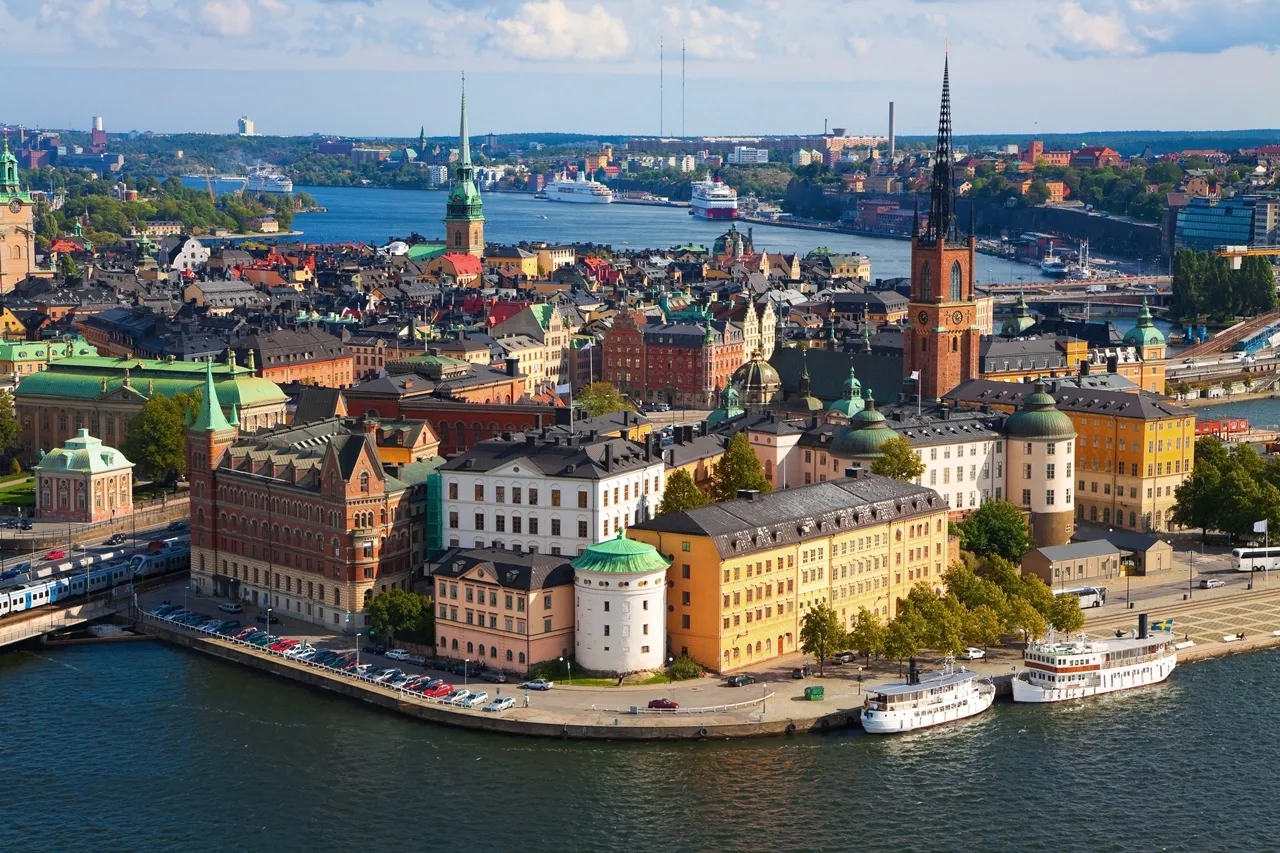
Baltic Capitals & Britain cruise tours offer an unforgettable way to discover the historic cities, Scandinavian capitals, Baltic Sea destinations and iconic ports of Britain and Ireland in a single cruise journey. Depending on the itinerary, you can visit fascinating destinations such as Copenhagen, Stockholm, Helsinki, Tallinn, Riga, Visby, Gdansk, Klaipeda, Southampton, Edinburgh, Belfast and Dublin. Combining history, culture, architecture, gastronomy and natural beauty with the comfort and entertainment offered onboard, Baltic Capitals & Britain cruises provide a unique Northern European travel experience. What Is a Baltic Capitals Cruise? A Baltic Capitals cruise is a cruise itinerary visiting several ports across the Baltic Sea and Northern Europe. Depending on the cruise line, ship and travel date, itineraries may include destinations in Denmark, Sweden, Finland, Estonia, Latvia, Lithuania, Poland and Germany. Some itineraries also extend beyond the Baltic Sea to include ports in England, Scotland, Northern Ireland and Ireland. This makes Baltic Capitals & Britain cruises an excellent choice for travelers who want to discover several countries and cultures during a single vacation. Which Cities Are Included in Baltic Cruise Itineraries? The ports visited during a Baltic Sea cruise vary depending on the cruise line, ship and itinerary. However, several cities are among the most popular destinations in the region. Copenhagen The capital of Denmark, Copenhagen is one of the most popular starting and calling ports for Baltic cruises. The colorful Nyhavn waterfront, historic city center, royal palaces, museums and modern Scandinavian lifestyle make Copenhagen an ideal destination to explore before or after your cruise. Stockholm Sweden's capital, Stockholm, is built across numerous islands and is one of the most distinctive destinations on a Baltic cruise. The historic Gamla Stan district, Royal Palace, museums and unique architecture make Stockholm one of the highlights of a Northern Europe cruise. Helsinki The capital of Finland, Helsinki, combines modern architecture, Scandinavian design, historic landmarks and a beautiful location on the Baltic Sea. Its compact city center makes it convenient for cruise passengers looking to explore the city during a port call. Tallinn Estonia's capital, Tallinn, is one of the most fascinating destinations on a Baltic cruise. Its remarkably preserved medieval Old Town, historic city walls, towers, squares and charming streets offer visitors an opportunity to experience the atmosphere of medieval Europe alongside a modern European capital. Riga The capital of Latvia, Riga, is one of the Baltic region's most important cultural and architectural destinations. Its historic center, impressive Art Nouveau architecture, attractive squares and lively atmosphere make Riga a memorable stop on a Baltic Sea cruise. Visby Located on the Swedish island of Gotland, Visby is famous for its medieval city walls and historic atmosphere. With its stone streets, preserved architecture and beautiful Baltic Sea setting, Visby offers a different experience from the larger Scandinavian capitals. Gdansk and Gdynia Located on Poland's Baltic coast, Gdansk and Gdynia can be included in a number of Northern Europe cruise itineraries. Gdansk is particularly known for its historic architecture, colorful city center and distinctive Baltic atmosphere, making it an interesting destination for cruise passengers. Klaipeda Klaipeda, Lithuania's major Baltic Sea port, is another destination that may feature on Northern European cruise itineraries. The city offers travelers an opportunity to experience Lithuanian culture while discovering a different side of the Baltic coastline. Which Ports Are Included in Baltic Capitals & Britain Cruises? Depending on the itinerary, Baltic Capitals and Britain cruise programs may visit a wide range of ports. Popular destinations can include: Copenhagen, Denmark Stockholm, Sweden Helsinki, Finland Tallinn, Estonia Riga, Latvia Visby, Sweden Gdansk and Gdynia, Poland Klaipeda, Lithuania Karlskrona, Sweden Warnemunde, Germany Ronne, Denmark Southampton, England Dover, England Edinburgh and Leith, Scotland Greenock, Scotland Invergordon, Scotland Kirkwall, Scotland Belfast, Northern Ireland Liverpool, England Dublin, Ireland Cork, Ireland Not every cruise itinerary visits all of these ports. Destinations and port sequences may vary depending on the cruise line, ship, travel date and selected itinerary. Discover England and Scotland on a Britain Cruise The Britain section of selected Baltic Capitals & Britain itineraries provides the opportunity to explore England, Scotland, Northern Ireland and Ireland. Southampton is one of Europe's major cruise ports and an important gateway for travelers visiting London. Dover is known for its iconic white cliffs and strategic location on England's southeast coast. In Scotland, ports such as Edinburgh, Greenock, Invergordon and Kirkwall offer opportunities to discover historic landmarks, castles, dramatic coastlines and beautiful natural landscapes. Ports such as Belfast and Dublin provide an opportunity to experience the history, culture and distinctive character of Northern Ireland and Ireland. Why Choose a Baltic Sea Cruise? One of the biggest advantages of a Baltic Sea cruise is the opportunity to visit several countries and cities during a single vacation. Instead of changing hotels and arranging flights, trains or road transportation between destinations, your cruise ship combines accommodation and transportation in one seamless journey. While the ship travels overnight, you can relax and wake up the next morning in a completely different European destination. Modern cruise ships also offer restaurants, swimming pools, entertainment venues, shows, sports facilities and a wide range of onboard activities, making the ship itself an important part of the holiday experience. How Long Is a Baltic Cruise? The length of a Baltic cruise depends on the selected itinerary. Shorter cruise programs may last approximately 5 to 7 nights, while more extensive Baltic and Northern Europe itineraries can last 8 to 14 nights or longer. Cruises that combine the Baltic Sea with Britain and Ireland may offer longer itineraries, allowing passengers to explore a wider range of destinations. When choosing a cruise, it is important to consider not only the number of nights but also the ports visited, time spent in each port, embarkation and disembarkation points, and the services included in the cruise fare. When Is the Best Time for a Baltic Cruise? The Baltic and Northern Europe cruise season is mainly concentrated from late spring through summer. May, June, July, August and September are among the most popular months for Baltic Sea and Northern Europe cruise itineraries. Summer is particularly attractive because Northern Europe enjoys long daylight hours, providing more time to explore destinations such as Copenhagen, Stockholm, Helsinki and Tallinn during port visits. Cruise schedules vary from year to year, so it is recommended to check the latest itinerary and sailing dates when planning your trip. How Much Does a Baltic Cruise Cost? Baltic cruise prices vary depending on several factors, including the travel date, cruise line, ship, cabin category, itinerary length and services included in the package. Inside cabins generally offer a more budget-friendly option, while ocean-view, balcony and suite cabins are available at different price levels. Some cruise fares include accommodation, meals and selected onboard activities, while services such as beverage packages, Wi-Fi, specialty restaurants, shore excursions and certain personal expenses may cost extra. For this reason, it is important to compare not only the advertised starting price but also the total cost of the cruise and the services included in the fare. What Is Included in a Baltic Cruise? The services included in a cruise package depend on the cruise line and fare type. Cruise fares generally include accommodation in the selected cabin, meals in the main dining venues and access to many of the ship's public areas and activities. Additional services such as beverage packages, Wi-Fi, specialty dining, spa treatments, shore excursions and certain personal expenses may be charged separately. Checking the inclusions and exclusions before booking helps travelers plan their budget more accurately. Which Cabin Should You Choose for a Baltic Cruise? Choosing the right cabin depends on your travel preferences and budget. Inside cabins are a practical option for travelers looking for a lower fare and who expect to spend most of their time exploring the ship and destinations. Ocean-view cabins are ideal for travelers who want to enjoy views of the Baltic Sea and Northern European coastline from their cabin. Balcony cabins offer a more private outdoor space and can be particularly appealing during scenic sailing days. For travelers looking for additional space and premium amenities, cruise ships also offer a range of suite categories. Who Are Baltic Capitals Cruises Suitable For? Baltic cruise holidays can appeal to a wide range of travelers, including: Travelers who want to visit several European countries in one trip Travelers interested in Scandinavia and the Baltic countries History, culture and architecture enthusiasts Travelers looking for a comfortable vacation experience Couples, families and groups of friends Travelers who want to combine sightseeing, relaxation and entertainment First-time cruise passengers How Do Shore Excursions Work on a Baltic Cruise? When a cruise ship arrives at a port, passengers can generally explore the destination independently or join an organized shore excursion offered by the cruise line. Because port stays are often limited, it is useful to research each destination before departure and decide which attractions you would like to see. For example, passengers may explore the historic Old Town in Tallinn, Gamla Stan in Stockholm, Nyhavn in Copenhagen or the city center of Helsinki during a port visit. Organized shore excursions can be a convenient option for travelers who prefer a planned itinerary, transportation and guided sightseeing. What Should You Consider When Choosing a Baltic Cruise? When choosing a Baltic cruise, it is important to look beyond the price and consider the overall itinerary. First, check which ports and destinations are included. Two cruises sailing in the same region may visit completely different cities. You should also compare the ship, cabin category, cruise duration, dining and beverage options, time spent in port and services included in the fare. The embarkation and disembarkation ports are also important. If you are arranging flights, hotels or transfers, make sure you allow enough time to reach the cruise terminal and consider the ship's departure and arrival times. Baltic Capitals & Britain Cruise Itineraries Baltic Capitals & Britain cruise itineraries offer an opportunity to experience several different sides of Northern Europe in one journey. Some itineraries focus on Scandinavian capitals and Baltic cities, while more extensive programs may combine the Baltic Sea with ports in England, Scotland, Northern Ireland and Ireland. This combination makes Baltic Capitals & Britain cruises different from traditional European city tours. Discover Northern Europe with a Baltic Capitals Cruise Baltic Capitals & Britain cruise tours offer a comfortable and comprehensive way to discover Northern Europe. From the colorful streets of Copenhagen and the islands of Stockholm to the modern atmosphere of Helsinki and the medieval character of Tallinn, every port offers a different culture, history and travel experience. Riga, Visby, Gdansk and Klaipeda add even more variety to Baltic itineraries, while Britain and Ireland cruise routes can introduce travelers to historic English ports, dramatic Scottish coastlines and the distinctive character of Ireland. For travelers who want to visit multiple countries, enjoy comfortable accommodation at sea and wake up in a new destination each day, Baltic Capitals & Britain cruises offer an unforgettable Northern European holiday experience. Explore the latest Baltic Capitals & Britain cruise itineraries, compare routes and cruise options, and discover the Northern Europe cruise that best suits your travel plans.
Show More
Nordic Elegance and Baltic Treasures Cruise with 6* Explora IV
Explora Journeys
Starting Price6400 €
Sure, there are pros and cons to all types of travel, but cruising has become a popular option for a number of reasons: With so much included in the price - like meals, onboard performances and more - cruising offers tons of bang for your buck. A variety of onboard and onshore activities make cruising fun for everyone from spa-lovers to adventure-seekers to sun worshipers. Traveling from port to port is a snap, no need to worry about directions or unpacking. You'll wake up in an amazing new place, refreshed and ready to explore.
Safety and security are the highest priorities for cruise companies.All cruise ships are designed and operated in compliance with the strict requirements of the International Maritime Organization, the local authorities that mandates global standards for the safety and operation of cruise ships through adoption of treaties, regulations and resolutions, codified in the Safety of Life at Sea (SOLAS) Convention. Safety-related regulations and requirements are rigorous – and ships often go substantially above and beyond what is required, for example carrying backup mechanical, navigational and safety provisions. Ships crews undertake extensive training, certification, drills and scenarios for emergency situations, including the evacuation of a ship. All cruise ships have lifeboats, life rafts and life preservers for every person on board as well as additional capacity.
Almost all cruise ships have laundry facilities and a great many provide dry-cleaning services. There is, however, an additional charge for professional laundry and dry-cleaning services.
There are no basic differences between the ships.Each ship offers a unique variety of activities, amenities and dining options.
No - in fact, due to the special operating environment that regulates the maritime sector, many products (alcohol, tobacco, etc.) can be sold duty free, just like in airports, so you can enjoy a discount of up to 40% off usual retail prices on land.
Have a question you want to ask us? Need help with travel arrangements or reserving a cruise? We are 1 click away from you or you can call us directly + 90 256 612 45 98 .
Every passenger must make sure he has the identity document, valid for travel, required for the selected cruise. Otherwise the passenger will not be allowed to embark ship. In this case, a refund for the cruise ticket will not be authorised.
If you're worried that you'll be bored on a cruise ship, banish that idea right away. Cruise ships schedule so many activities that a day at sea can be almost as much fun (and as exhausting) as a full day of sightseeing. From cooking classes to rock-climbing, trivia contests to line-dancing, wine-tasting to Wii-playing, there's truly something for everyone. Want to lie in the sun or take a dip in the pool? No problem. Want to spend time shopping for souvenirs, indulging in a massage or gambling in the casino? You can do it. Want to boogie board, drive a racecar, ice skate or learn trapeze?Regardless of your activity levels and preferences, you can't help but find a way to keep yourself entertained on a cruise ship. Here's our breakdown of the types of programs and amenities you're likely to find to keep you busy and happy during your time onboard. How do you find out what's going on each day? A daily newsletter is delivered to your cabin each evening. One will also be waiting for you when you arrive. In it, you'll find the schedule for the next day's activities and entertainment offerings, as well as opening hours for the spa, restaurants, onboard shops and bars. You'll even find listings for movies on your in-cabin TV, information on scheduled ports of call, debarkation and embarkation information, and sunrise and sunset times. Children registered with the onboard kids' club (see below) will often receive their own daily schedules of age-appropriate activities, as well.
Cruising is a chance to indulge in fine food, delicious dinners and tasty, all-inclusive menus in onboard elegant restaurants serving international cuisine.If you have special dietary requirements chefs onboard can accommodate it/them with pleasure .During the meals tea,coffee and tab water are free of charge and some of the cruises offer free soft drinks.You can call room service 24 Hours but some cruise companies ask additional charge for certain times (after midnight).
We group onboard accommodations into four categories: Interior , Oceanview , Balcony , Suite/Deluxe All of the staterooms accommodations are designed to be comfortable places you can kick back and relax in after a day of adventure. All staterooms and suites vary by ship, but every room offers a television, telephone, private bath, shower, vanity and a hair-dryer. And depending on your stateroom/suite category, you're accommodations many include other amenities such as bathrobes, sitting areas, even a whirlpool tub!
Staterooms and suites vary by ship, but every room offers a television, telephone, private bath, shower, dressing table and a hair dryer. And, like a fine hotel, all staterooms provide soap, shampoo and conditioner.
For most of the cruise companies English is the main language onboard but some of the cruise companies use Spanish,German and French.
Generally, you will be allowed to board two or three hours before the ship sails. Keep in mind that you must be on the ship at least one hour before departure, and the gangway will be pulled thirty minutes before sailing.Upon completion of check-in, you will receive a guest identification card. This card will serve as your identification on-board. It will also serve as your identification for security procedures when embarking and disembarking the ship and when making purchases on board.As you walk up the gangway, a member of the cruise staff will welcome you aboard. Your luggage will be delivered to your cabin shortly after it arrives at the ship. You carry nothing but your hand luggage. Once you are on board you are free to explore the ship. Refreshments are available during embarkation and most cruise lines offer a nice buffet lunch (depending on the departure time).
First and foremost, dress for comfort. Daily life aboard ship and in ports of call is laid-back and casual. You are encouraged to wear whatever makes you feel most comfortable: sportswear, shorts, slacks, sundresses and so on. Warmer temperatures call for clothing made of lightweight, breathable fabrics. For cooler temperatures we suggest casual clothes that can be layered easily. On some days you may need a raincoat and waterproof hat or umbrella. Gloves are a good idea as well. Footwear should include comfortable walking shoes for visits ashore and sandals or rubber-soled shoes for strolling on deck. In the evening, ships vary as to dress. There are three types of "evenings" on board - casual, smart casual and formal. On casual nights, sport shirts and slacks are suggested for men; sundresses or pants for women. On smart casual nights, dresses and pantsuits for women; jackets and ties for men. For formal nights, women should wear cocktail dresses; men should wear suits and ties or tuxedos (optional). But don't buy a tuxedo just for the trip. If you do want to dress to the nines, many ships offer tuxedo rental services. Even on the most formal of ships, a dark suit and tie are fine for the dressiest occasions. Generally, three and four-night cruises consist of one formal night and two or three casual nights. Seven-night cruises include two formal nights, one smart casual night and four casual nights. Ten, 11 and 12-night cruises consist of two formal nights, three smart casual; all other nights are casual. 14 & 15 night cruises usually have three formal nights, four semi-formal nights and the remainder are casual. Again, these are guidelines and your evenings attire is left up to your discretion. In addition, most cruise lines offer alternative casual dining for anyone who may prefer not to dine in the main restaurant.
All cruise lines offer extensive shore excursion programs designed to enhance your cruise experience. Shore excursions will help you make the most of your time in port and provide you with the best transportation and guide services available. For certain destinations, such as Europe, tours can be pre-requested by completing the form found in the shore excursion brochure sent to you 4-6 weeks prior to departure. On other cruises you can book your tours through the shore excursion office once you are on-board.
Virtually every cruise ship (except for some smaller vessels operating in coastal waters) has a fully-equipped medical facility and staff to handle almost any emergency.Your prescription medication should be kept close at hand in your purse or carry-on bag rather than in your checked luggage. Be sure to bring a sufficient supply of medication and transport it in the original container. It is also a good idea to carry a written list of your medications in case they are lost. The list should include the name of the drug, dosage, and times taken.
Most cruise lines have set up a “cashless” system designed to make your life on board as simple as possible. You simply sign a receipt for each of your on-board purchases and then settle your shipboard account at the end of the cruise. Cash, VISA, American Express, MasterCard, Discover, and personal or traveler's checks are accepted as payment on most cruise lines.
Depending upon when the cruise is canceled, a cancellation charge may apply. We highly recommend Travel Insurance to protect yourself from penalties assessed for canceling due to medical reasons for yourself or family members. Note: No refunds will be made if you do not show up for your cruise or if you interrupt or cancel your vacation once it has begun.
Tipping is a matter of individual preference. A general rule of thumb is to plan for about € /$ 2.50 to €/$ 3.00 per person per day each for your room steward and dining room waiter, and about half that amount for your busboy. (A few cruise lines include tipping in the price and will so inform you.) Gratuities are customarily given on the last evening of your cruise. On many cruise lines it is now possible to prepay the above gratuities. Other personnel such as bar waiters, bellboys and deck stewards may be tipped as service is rendered. On most cruise lines a 15% gratuity is automatically added to your on board account for beverage purchases which you may adjust according to services rendered.
Each guest is permitted to carry a reasonable amount of personal property (including luggage) aboard the vessel; however, for your comfort and convenience, it is recommended that you limit the number of pieces you take. Keep in mind that airlines may charge for excess or oversize luggage. Charges incurred for excess or oversize baggage are the sole responsibility of the passenger. Each airline has a different limit on the amount of luggage they allow. Check with your air carrier for specific restrictions, such as allowance of Kgs (pounds) and any additional charges.
Women who are at the most 28 weeks pregnant at the end of the cruise may travel on our ships, submitting a medical certificate confirming her fitness to travel at the time of booking.
For the comfort and enjoyment for guests, most of the ships are designated as non-smoking; however, the cruise companies aware of that some of the guests smoke. Therefore, to provide an onboard environment that also satisfies smokers, there are designated certain public and private areas of the ship as "smoking areas."