TUR
TUR

 ENG
ENG  TUR
TUR

Cape Horn
South America
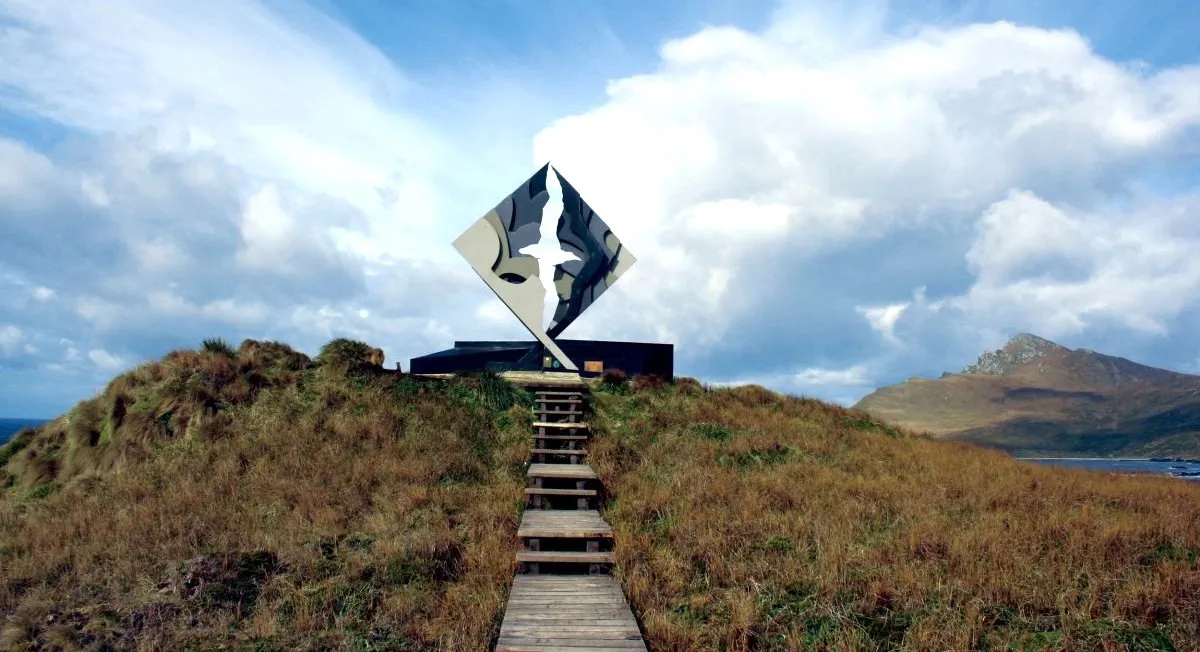
Located on Chile's Isla Hornos in the Tierra del Fuego archipelago, Cape Horn is widely considered to be the southernmost tip of South America. The culmination of the Andes mountain range, the legendary Cape is prone to unpredictably strong winds, choppy waters, icebergs and rogue waves - none of which phase the Princess ships that sail here. Nevertheless, hazardous maritime conditions have protected the rocky region from human settlement, so you'll enjoy the same views as the earliest explorers discovered centuries ago. Unusual rock formations with deep grooves and granite cliffs covered in trees are its signature features.
Navigating around the Cape was a near-impossible feat for sailors who braved its intense winds and treacherous waters in the 17th century. However, those fortunate enough to return from a successful trip were entitled to numerous benefits, including dining with one foot on the dinner table and wearing a gold loop earring to boast of their seafaring victory.
Though Cape Horn became a significant trade route between the 18th and early 20th centuries, the opening of the Panama Canal rendered this route obsolete - but that hasn't prevented adventurers from recreational journeys to the Cape, or the bragging rights that come along with them!

Sure, there are pros and cons to all types of travel, but cruising has become a popular option for a number of reasons: With so much included in the price - like meals, onboard performances and more - cruising offers tons of bang for your buck. A variety of onboard and onshore activities make cruising fun for everyone from spa-lovers to adventure-seekers to sun worshipers. Traveling from port to port is a snap, no need to worry about directions or unpacking. You'll wake up in an amazing new place, refreshed and ready to explore.
Safety and security are the highest priorities for cruise companies.All cruise ships are designed and operated in compliance with the strict requirements of the International Maritime Organization, the local authorities that mandates global standards for the safety and operation of cruise ships through adoption of treaties, regulations and resolutions, codified in the Safety of Life at Sea (SOLAS) Convention. Safety-related regulations and requirements are rigorous – and ships often go substantially above and beyond what is required, for example carrying backup mechanical, navigational and safety provisions. Ships crews undertake extensive training, certification, drills and scenarios for emergency situations, including the evacuation of a ship. All cruise ships have lifeboats, life rafts and life preservers for every person on board as well as additional capacity.
Almost all cruise ships have laundry facilities and a great many provide dry-cleaning services. There is, however, an additional charge for professional laundry and dry-cleaning services.
There are no basic differences between the ships.Each ship offers a unique variety of activities, amenities and dining options.
No - in fact, due to the special operating environment that regulates the maritime sector, many products (alcohol, tobacco, etc.) can be sold duty free, just like in airports, so you can enjoy a discount of up to 40% off usual retail prices on land.
Have a question you want to ask us? Need help with travel arrangements or reserving a cruise? We are 1 click away from you or you can call us directly + 90 256 612 45 98 .
Every passenger must make sure he has the identity document, valid for travel, required for the selected cruise. Otherwise the passenger will not be allowed to embark ship. In this case, a refund for the cruise ticket will not be authorised.
If you're worried that you'll be bored on a cruise ship, banish that idea right away. Cruise ships schedule so many activities that a day at sea can be almost as much fun (and as exhausting) as a full day of sightseeing. From cooking classes to rock-climbing, trivia contests to line-dancing, wine-tasting to Wii-playing, there's truly something for everyone. Want to lie in the sun or take a dip in the pool? No problem. Want to spend time shopping for souvenirs, indulging in a massage or gambling in the casino? You can do it. Want to boogie board, drive a racecar, ice skate or learn trapeze?Regardless of your activity levels and preferences, you can't help but find a way to keep yourself entertained on a cruise ship. Here's our breakdown of the types of programs and amenities you're likely to find to keep you busy and happy during your time onboard. How do you find out what's going on each day? A daily newsletter is delivered to your cabin each evening. One will also be waiting for you when you arrive. In it, you'll find the schedule for the next day's activities and entertainment offerings, as well as opening hours for the spa, restaurants, onboard shops and bars. You'll even find listings for movies on your in-cabin TV, information on scheduled ports of call, debarkation and embarkation information, and sunrise and sunset times. Children registered with the onboard kids' club (see below) will often receive their own daily schedules of age-appropriate activities, as well.
Cruising is a chance to indulge in fine food, delicious dinners and tasty, all-inclusive menus in onboard elegant restaurants serving international cuisine.If you have special dietary requirements chefs onboard can accommodate it/them with pleasure .During the meals tea,coffee and tab water are free of charge and some of the cruises offer free soft drinks.You can call room service 24 Hours but some cruise companies ask additional charge for certain times (after midnight).
We group onboard accommodations into four categories: Interior , Oceanview , Balcony , Suite/Deluxe All of the staterooms accommodations are designed to be comfortable places you can kick back and relax in after a day of adventure. All staterooms and suites vary by ship, but every room offers a television, telephone, private bath, shower, vanity and a hair-dryer. And depending on your stateroom/suite category, you're accommodations many include other amenities such as bathrobes, sitting areas, even a whirlpool tub!
Staterooms and suites vary by ship, but every room offers a television, telephone, private bath, shower, dressing table and a hair dryer. And, like a fine hotel, all staterooms provide soap, shampoo and conditioner.
For most of the cruise companies English is the main language onboard but some of the cruise companies use Spanish,German and French.
Generally, you will be allowed to board two or three hours before the ship sails. Keep in mind that you must be on the ship at least one hour before departure, and the gangway will be pulled thirty minutes before sailing.Upon completion of check-in, you will receive a guest identification card. This card will serve as your identification on-board. It will also serve as your identification for security procedures when embarking and disembarking the ship and when making purchases on board.As you walk up the gangway, a member of the cruise staff will welcome you aboard. Your luggage will be delivered to your cabin shortly after it arrives at the ship. You carry nothing but your hand luggage. Once you are on board you are free to explore the ship. Refreshments are available during embarkation and most cruise lines offer a nice buffet lunch (depending on the departure time).
First and foremost, dress for comfort. Daily life aboard ship and in ports of call is laid-back and casual. You are encouraged to wear whatever makes you feel most comfortable: sportswear, shorts, slacks, sundresses and so on. Warmer temperatures call for clothing made of lightweight, breathable fabrics. For cooler temperatures we suggest casual clothes that can be layered easily. On some days you may need a raincoat and waterproof hat or umbrella. Gloves are a good idea as well. Footwear should include comfortable walking shoes for visits ashore and sandals or rubber-soled shoes for strolling on deck. In the evening, ships vary as to dress. There are three types of "evenings" on board - casual, smart casual and formal. On casual nights, sport shirts and slacks are suggested for men; sundresses or pants for women. On smart casual nights, dresses and pantsuits for women; jackets and ties for men. For formal nights, women should wear cocktail dresses; men should wear suits and ties or tuxedos (optional). But don't buy a tuxedo just for the trip. If you do want to dress to the nines, many ships offer tuxedo rental services. Even on the most formal of ships, a dark suit and tie are fine for the dressiest occasions. Generally, three and four-night cruises consist of one formal night and two or three casual nights. Seven-night cruises include two formal nights, one smart casual night and four casual nights. Ten, 11 and 12-night cruises consist of two formal nights, three smart casual; all other nights are casual. 14 & 15 night cruises usually have three formal nights, four semi-formal nights and the remainder are casual. Again, these are guidelines and your evenings attire is left up to your discretion. In addition, most cruise lines offer alternative casual dining for anyone who may prefer not to dine in the main restaurant.
All cruise lines offer extensive shore excursion programs designed to enhance your cruise experience. Shore excursions will help you make the most of your time in port and provide you with the best transportation and guide services available. For certain destinations, such as Europe, tours can be pre-requested by completing the form found in the shore excursion brochure sent to you 4-6 weeks prior to departure. On other cruises you can book your tours through the shore excursion office once you are on-board.
Virtually every cruise ship (except for some smaller vessels operating in coastal waters) has a fully-equipped medical facility and staff to handle almost any emergency.Your prescription medication should be kept close at hand in your purse or carry-on bag rather than in your checked luggage. Be sure to bring a sufficient supply of medication and transport it in the original container. It is also a good idea to carry a written list of your medications in case they are lost. The list should include the name of the drug, dosage, and times taken.
Most cruise lines have set up a “cashless” system designed to make your life on board as simple as possible. You simply sign a receipt for each of your on-board purchases and then settle your shipboard account at the end of the cruise. Cash, VISA, American Express, MasterCard, Discover, and personal or traveler's checks are accepted as payment on most cruise lines.
Depending upon when the cruise is canceled, a cancellation charge may apply. We highly recommend Travel Insurance to protect yourself from penalties assessed for canceling due to medical reasons for yourself or family members. Note: No refunds will be made if you do not show up for your cruise or if you interrupt or cancel your vacation once it has begun.
Tipping is a matter of individual preference. A general rule of thumb is to plan for about € /$ 2.50 to €/$ 3.00 per person per day each for your room steward and dining room waiter, and about half that amount for your busboy. (A few cruise lines include tipping in the price and will so inform you.) Gratuities are customarily given on the last evening of your cruise. On many cruise lines it is now possible to prepay the above gratuities. Other personnel such as bar waiters, bellboys and deck stewards may be tipped as service is rendered. On most cruise lines a 15% gratuity is automatically added to your on board account for beverage purchases which you may adjust according to services rendered.
Each guest is permitted to carry a reasonable amount of personal property (including luggage) aboard the vessel; however, for your comfort and convenience, it is recommended that you limit the number of pieces you take. Keep in mind that airlines may charge for excess or oversize luggage. Charges incurred for excess or oversize baggage are the sole responsibility of the passenger. Each airline has a different limit on the amount of luggage they allow. Check with your air carrier for specific restrictions, such as allowance of Kgs (pounds) and any additional charges.
Women who are at the most 28 weeks pregnant at the end of the cruise may travel on our ships, submitting a medical certificate confirming her fitness to travel at the time of booking.
For the comfort and enjoyment for guests, most of the ships are designated as non-smoking; however, the cruise companies aware of that some of the guests smoke. Therefore, to provide an onboard environment that also satisfies smokers, there are designated certain public and private areas of the ship as "smoking areas."